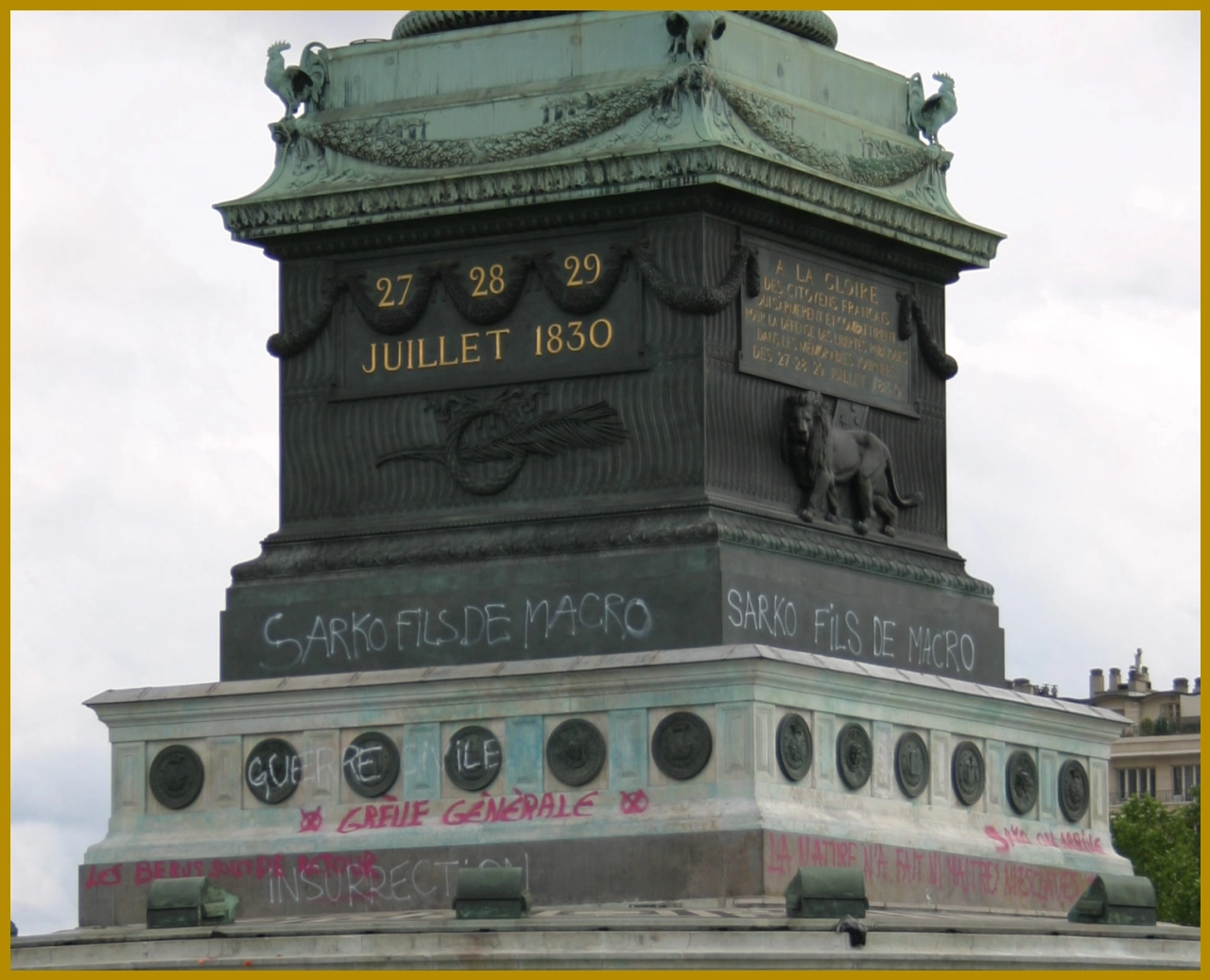

France is experiencing a deep division over the causes and implications of the recent riots that led to widespread violence and looting across the country. The unrest saw over 3,000 shops impacted, largely due to opportunistic thefts.
Witnesses described chaotic scenes, with officials noting that some rioters were organized and pre-planned their assaults on police. A French intelligence report indicated that radical left groups might have manipulated student protests ongoing for weeks.
President Emmanuel Macron has called for accountability and a new policing strategy to handle future unrest. Following these events, National Assembly President Yaël Braun-Pivet proposed a parliamentary inquiry to investigate the organization of the riots.
Political Reactions
The political environment in France has become increasingly contentious, with accusations flying between parties. Jean-Luc Mélenchon, the leader of the far-left La France Insoumise and a presidential candidate, has faced criticism from opponents who claim he is partly responsible for the violence due to his political strategies involving youth demonstrations.
Prime Minister Sebastian Lecornu and Interior Minister Laurent Nunez have stated that far-left groups are fueling these disturbances, suggesting that planned insurrections are afoot. In contrast, student leader Lisa Cordat has pushed back against claims of being manipulated by politicians, asserting their independence in organizing protests.
Underlying Issues and Public Sentiment
The riots have deepened public dissatisfaction towards the French government, which is grappling with economic pressures. France’s public debt is reportedly around 119% of its GDP, significantly above the European Union’s target. Citizens are increasingly frustrated by the government’s handling of financial issues and rising living costs.
Some observers argue that the riots reflect broader public discontent, indicating a societal demand for change. Comments from 25-year-old resident Lina highlight a sense of abandonment felt by many citizens, who believe their concerns are ignored by politicians seeking to assign blame rather than address the root causes of unrest.
As tensions in France continue to simmer, the government faces the challenge of balancing public safety with the civil liberties of protesters while striving to resolve economic and political grievances. The consequences of these recent events could significantly influence the upcoming presidential elections.